Understanding Water Damage Restoration Vancouver
Water damage is one of the most common and destructive issues homeowners and businesses face, especially in Vancouvers' humid coastal climate. The repercussions of neglecting water damage can lead to significant structural integrity loss, health hazards from mold growth, and costly repairs. Hence, understanding the intricacies of Water Damage Restoration Vancouver is essential for homeowners and businesses alike. This article delves into what water damage restoration entails, its urgency, the typical causes of damage, and how to navigate restoration processes effectively.
What is Water Damage Restoration?
Water damage restoration is the process of cleaning, drying, and salvaging affected areas of a property after an incident involving water intrusion. This can include everything from a leaky pipe to a major flood. The primary aim is to restore the property to its pre-damage condition while mitigating any further risks posed by mold and structural weakening.
Importance of Immediate Response
In the world of water damage, timing is everything. The sooner the water is extracted and the area dried, the less likely it is that mold or additional structural damage will occur. Experts recommend addressing water damage within the first 24 to 48 hours to prevent irreversible damage. Prompt response can save homeowners from extensive repair costs and ensure their health is not compromised due to mold exposure.
Common Types of Water Damage in Vancouver
- Flooding: Often due to heavy rainstorms or rapid snowmelt.
- Pipe Bursts: Aging plumbing systems can lead to unexpected bursts.
- Appliance Leaks: Dishwashers, washing machines, and water heaters may develop leaks.
- Sewage Backups: Contaminated water from sewer systems can cause serious health risks.
- Roof Leaks: Over time, roofs may succumb to wear and tear causing water to intrude into living spaces.
The Water Damage Restoration Process
Initial Assessment and Inspection
Once you contact a restoration company, the first step will typically involve a thorough assessment of the damage. Professionals will identify the source of water intrusion, assess the extent of damage to structures and belongings, and determine the best course of action. This initial inspection is crucial in formulating an effective restoration strategy.
Water Extraction Techniques
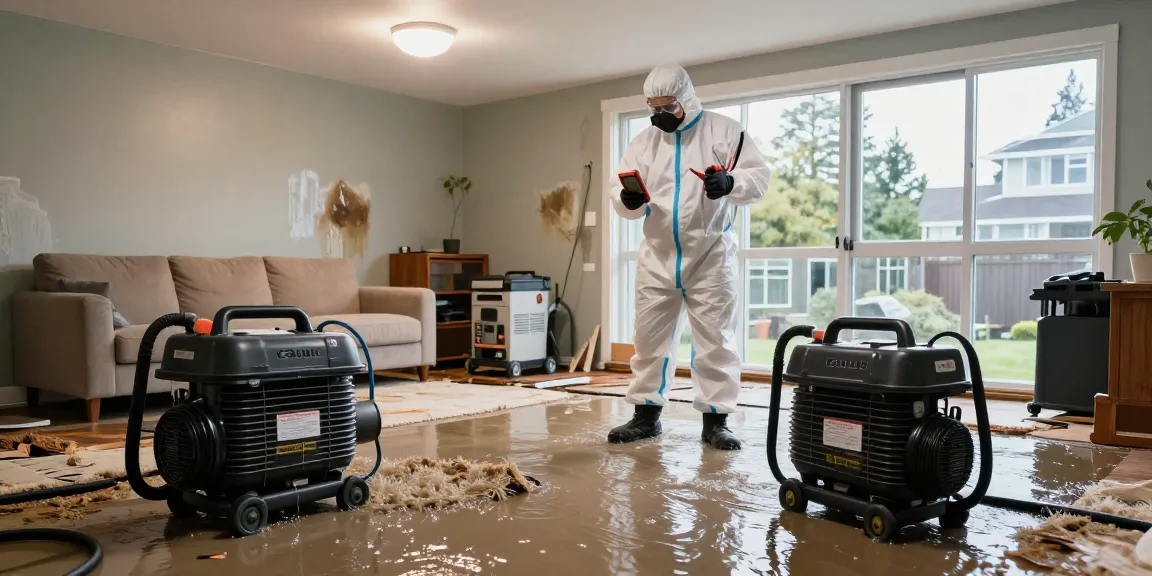
Using industrial-grade equipment, technicians will begin the extraction phase, removing standing water from the affected areas. They use specialized pumps and vacuums designed to remove water quickly and efficiently, preventing further absorption into building materials.
Drying and Dehumidification Methods
After extraction, the focus shifts to drying and dehumidifying the affected areas to prevent mold growth. This involves setting up air movers and dehumidifiers that create airflow and reduce moisture levels. Continuous monitoring is essential at this stage to confirm that materials are drying effectively.
Choosing the Right Restoration Company
Credentials and Certifications to Look For
When selecting a restoration company, ensure they are IICRC-certified, which stands for the Institute of Inspection, Cleaning and Restoration Certification. This certification guarantees that the company adheres to industry standards and uses best practices in water damage restoration.
Customer Reviews and Testimonials
It's also wise to check customer reviews and testimonials. Positive feedback from previous clients often signals reliability and quality of service. Look for restoration companies with a strong reputation within the Vancouver community.
Understanding Insurance Coverage for Water Damage
Before proceeding with restoration services, homeowners should consult their insurance policy. Many policies cover water damage, but the extent depends on the cause. Restoration companies can assist in navigating the claims process and provide the necessary documentation to support your claim.
Preventing Future Water Damage
Identifying Common Causes of Water Damage
Prevention is better than cure, especially when it comes to water damage. Common culprits of water issues include aging pipes, improper drainage, and foundation issues. Regular inspections can help identify potential problems before they turn into emergencies.
Proactive Maintenance Tips for Homeowners
- Regularly check plumbing fixtures for leaks.
- Ensure gutters and downspouts are clear to avoid overflow.
- Inspect the foundation for cracks that could allow water ingress.
- Consider installing sump pumps in basements.
Technological Advancements in Water Damage Prevention
Modern technology has introduced systems such as moisture sensors and automatic shut-off valves that can alert homeowners to water issues before they escalate. Investing in these technologies can save significant repair costs in the long run.
Frequently Asked Questions
How Long Does Water Damage Restoration Take?
The duration of the restoration process depends on the extent of the damage. Minor issues may only require a couple of days, while extensive flooding might take weeks. A professional assessment will provide a better time estimate.
Can Water-Damaged Materials Be Saved?
It depends on the material and the extent of the damage. Non-porous materials like metal or glass can often be cleaned and salvaged, while porous materials like drywall or insulation may need to be replaced if they are waterlogged.
What Should I Do Before the Restoration Team Arrives?
Before the team arrives, ensure that the area is accessible. If it is safe to do so, try to stop the source of the water. This might involve shutting off the water supply to a leaking pipe or appliance.
How Do I Handle Insurance Claims for Water Damage?
Document all damage with photographs and keep all receipts related to restoration. Submit these to your insurance company along with the restoration company’s report. Most good restoration services will help you navigate the claims process.
What Are the Risks of Delaying Water Damage Restoration?
Delaying restoration can lead to significant mold growth, further structural damage, and increased repair costs. It can also pose health risks to residents due to mold spores and possible contaminants in the water.